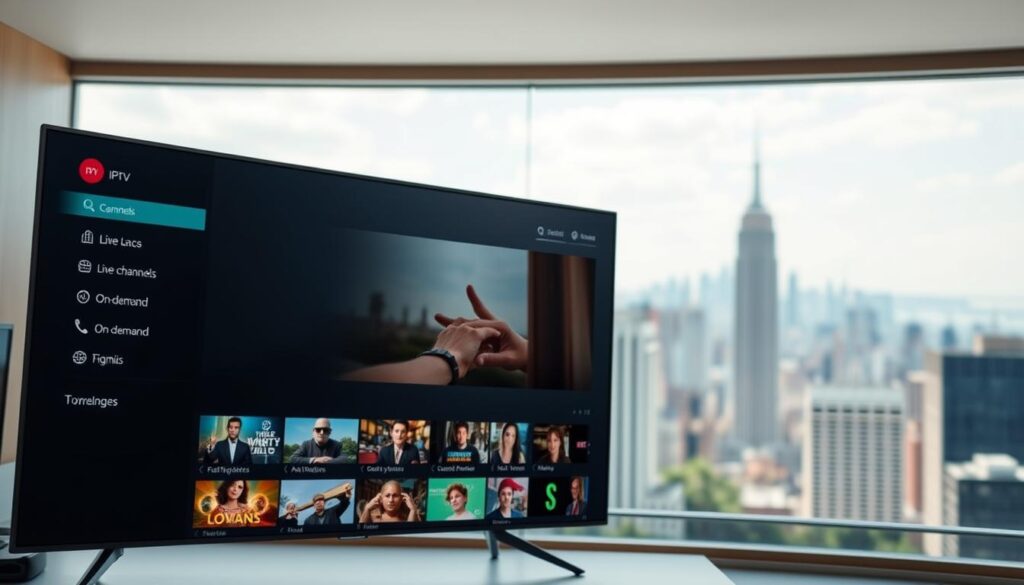
Imagine watching your favorite TV shows, sports, and movies from anywhere. IPTV, or Internet Protocol Television, makes this possible. But, can you really use IPTV anywhere? The answer is not simple due to technology and laws.
IPTV lets you enjoy endless entertainment online. But, where you are can affect your access. It’s important to know your options for using IPTV worldwide. We’ll explore how to access IPTV services globally, so you can enjoy your favorite shows anywhere.
Table of Contents
Key Takeaways
- IPTV services allow viewers to access content online, regardless of locale.
- Geographical restrictions can affect IPTV availability and access.
- Understanding local laws is key for using IPTV globally.
- VPNs can help bypass regional restrictions.
- Checking your internet speed is vital for a smooth streaming experience.
Understanding IPTV and Its Global Reach
IPTV, or Internet Protocol Television, changes how we watch TV by streaming it over the internet. It’s different from old TV methods that use cables or satellites. IPTV is becoming popular worldwide, giving users more choices and flexibility than traditional cable.
IPTV offers a wide range of shows and movies. You can watch what you like, whenever you want. This makes your TV experience better, as it fits your personal taste.
Knowing how IPTV works is important to see its global impact. With a good internet connection, you can watch your favorite shows anywhere. This makes watching TV feel more connected, no matter where you are.
The Concept of IPTV Global Access
IPTV global accessibility changes how we watch content worldwide. With just an internet connection, you can see a wide range of media from different countries. This breaks down the limits that traditional broadcasting often has.
It shows how international streaming is key in today’s digital world.
People in the United States and other places get a lot from better content delivery through IPTV services. Many platforms let users watch content that fits their tastes, while also having international options. For example, Sling TV and Hulu offer both American and foreign channels, making watching more interesting.
IPTV global access means more than just fun; it also affects service deals and content rights. IPTV providers deal with complex laws to send content to users. They make sure they follow local rules while making content available to as many people as possible.
As a viewer, knowing this can make your international streaming better. It helps you choose the best IPTV services for you.
Can I use IPTV anywhere in the world?
Using IPTV worldwide depends on two main things: internet connection and where you are. The quality of your internet is key. Without good bandwidth, your streams might freeze or cut off.
The Role of Internet Connectivity
Your internet provider is very important for streaming quality. You need a fast, stable connection for the best viewing. In some places, internet speeds can be a problem. So, check your ISP’s service to meet your streaming needs.
Geographic Restrictions and Licensing Issues
Even with fast internet, you might not get all channels or content. Licensing rules limit what can be shown in certain areas. This means IPTV services vary by location. Knowing these rules is key when using IPTV abroad.
IPTV International Usage: What You Need to Know
The world of IPTV offers many services for different tastes globally. Knowing about these services can help you pick the right one for you. There are options like subscription models and free streaming with ads, each with its own benefits.
Types of IPTV Services Available Globally
- Subscription-based services: Platforms like YouTube TV and Hulu + Live TV need a monthly fee. They offer lots of channels, including sports, news, and entertainment.
- Free IPTV services: Some services let you watch some shows for free. They make money from ads.
- On-demand services: These let you watch shows and movies whenever you want. Amazon Prime Video has a huge library of content.
Popular IPTV Providers and Their Coverage
| Service Provider | Monthly Cost | Geographical Coverage | Unique Features |
|---|---|---|---|
| YouTube TV | $72.99 | United States | Unlimited DVR storage and local channels |
| Hulu + Live TV | $82.99 | United States | On-demand library included |
| Sling TV | $40.00 | United States | Customizable channel packs |
Looking at these global IPTV services can help you understand the top providers. This makes it easier to find the best service for your international streaming needs.
IPTV Worldwide Availability: A Global Perspective
IPTV is available worldwide, giving viewers in different places many options. Various providers offer content that suits different tastes. It’s important to know how local preferences and cultural norms affect what’s available.
In some areas, you can find lots of local channels. In others, there’s more international content. Knowing what’s available in your region can make your viewing experience better. This is because people often look for specific types of shows.
Even with so many IPTV options, there are limits. Licensing agreements can block access to certain content. It’s helpful to know what’s available in your area and what might be available elsewhere.
Local providers often work with local creators to offer services that meet local needs. This shows how content access can differ from one country to another. By using these services, you can learn more about these differences.
Challenges to IPTV Connectivity Worldwide
IPTV connectivity worldwide faces many challenges. A good internet connection is key for smooth streaming. Without enough bandwidth, users might see buffering and other issues.
Internet Speed Requirements for Streaming
To enjoy IPTV, knowing the internet speed needs is important. Here are the speeds needed for different content types:
| Content Type | Recommended Internet Speed |
|---|---|
| Standard Definition (SD) | 3 Mbps |
| High Definition (HD) | 5-10 Mbps |
| 4K Ultra HD | 25 Mbps or higher |
These speeds help ensure the best IPTV experience. If your internet is slower, you might face frustrating issues while watching.
Censorship and Access Limitations in Certain Regions
Legal issues also affect IPTV access. Some countries have laws that block certain channels or platforms. It’s important to know these restrictions for a good streaming experience.
To overcome these problems, stay updated on internet speed and censorship laws. This knowledge helps you make better choices for your IPTV services. It improves your streaming experience everywhere.
IPTV Access in All Countries: The Legal Landscape
The world of IPTV is complex, with local laws and global standards mixing together. It’s important to know these rules if you want to enjoy IPTV worldwide. Each country has its own rules about sharing content, which changes what you can watch.
Understanding Local Laws and Regulations
Local laws decide if IPTV services are legal and available. In some places, copyright laws and agreements limit how media is shared. Knowing the laws in your area is key to using IPTV legally. Here are some things to think about:
- The types of content allowed for streaming.
- The requirements for IPTV providers to operate legally.
- Possible restrictions on foreign services and content access.
Choosing the Right IPTV Service for Global Access
Choosing the right IPTV service is important for a good viewing experience and legal use. Look for providers that:
- Offer a clear outline of their licensing agreements.
- Provide access to a wide range of channels while respecting local laws.
- Have a strong reputation among global IPTV services for reliability and customer support.
By knowing the local laws and picking the right IPTV service, you can enjoy a wide range of content legally.
IPTV Remote Access: How to Stream From Anywhere

Watching your favorite IPTV shows while traveling or living abroad can be tough. This is because of regional blocks. But, using IPTV remote access with Virtual Private Networks (VPNs) can help you get around these blocks. Knowing how to set it up and picking the right VPN provider makes streaming worldwide smooth.
Using VPNs for IPTV Access
VPNs hide your internet activity, making it seem like you’re in another place. This is great for IPTV users. By connecting to a server in a country where the content is available, you can watch geo-blocked streams. When picking a VPN, look at speed, server locations, and user feedback to find the best one for streaming.
Setting Up IPTV for International Streaming
Here’s how to set up your IPTV service with a VPN:
- Pick a trustworthy VPN provider that supports streaming.
- Download and install the VPN app on your device.
- Open the app and log in with your details.
- Connect to a server in the country where you want to watch IPTV.
- Start your IPTV app and enjoy streaming worldwide without limits.
Remember, while VPNs help with IPTV access, some might limit your bandwidth. Watching these limits can improve your streaming and keep it smooth.
IPTV Cross-Border Usage: How It Works
IPTV cross-border usage is a big change in how we watch content worldwide. With more global connections, international IPTV services are reaching more viewers. This has made us understand IPTV better, showing how it works across borders.
Using IPTV across borders means knowing about geographic licensing. Content providers have rules based on where you are. This can make watching TV harder if you travel or move a lot.
Also, the quality of service is key for good IPTV use across borders. Things like bandwidth, server locations, and content delivery networks matter a lot. If these aren’t right, you might get slow speeds or buffering, which can ruin your streaming.
| Factor | Impact on Cross-Border Usage |
|---|---|
| Geographic Licensing | Limits access to specific channels based on location |
| Bandwidth | Affects streaming quality and download speeds |
| Server Locations | Proximity to servers can enhance streaming reliability |
| Content Delivery Network | Distributes content efficiently across various regions |
Knowing these things helps you use international IPTV services better. As the IPTV market grows, it’s important to keep up with what providers can do. This way, you can enjoy watching TV from anywhere.
Conclusion
Using IPTV globally depends on good internet and knowing local laws. The chance to watch content from around the world is exciting. But, you must follow the rules that change in each country.
Licensing deals play a big part in what you can watch. You need to keep up with these rules to enjoy your favorite shows. This means knowing what’s legal in your area.
Technology, like VPNs, can help you watch more content from abroad. They make it seem like you’re in another country. But, picking a good IPTV service is key. It should meet your needs and follow the law in your area.
Being aware of these points can make your IPTV experience better worldwide. You can watch your favorite shows and live events, no matter where you are. Use technology wisely and know the laws to enjoy IPTV to the fullest.